
-
HEAVENSAKE Junmai Daiginjo (Black cap) (1x72cl)
Regular price HK$1,000.00Regular price -
HAKKAISAN White Koji Awa Sparkling Sake 八海山 白麴AWA 氣泡清酒 (1x72cl)
Regular price HK$558.00Regular price -
泉橋 樂風舞 生酛純米大吟釀 Izumibashi Rakufumai Junmai Daiginjo (1x72cl)
Regular price HK$438.00Regular price -
Kagura Midnight Blue Junmai 神藏 瑠璃 純米 (1x180cl)
Regular price HK$338.00Regular priceHK$688.00Sale price HK$338.00Sale -
Ryusei Pink Label Junmai Ginjo Namagen 龍勢 桃紅 純米吟釀生原酒 (1x72cl)
Regular price HK$238.00Regular price -
天壽鳥海山春宵一刻純米吟釀生原酒 Tenju Chokaisan Shunshoikkoku Junmai Ginjo (1x72cl)
Regular price HK$290.00Regular price -
黑牛 梅酒 Kuroushi Umeshu (1x50cl)
Regular price HK$170.00Regular priceHK$210.00Sale price HK$170.00Sale -
鳳凰美田 火入 純米吟醸 (1x72cl)
Regular price HK$350.00Regular priceHK$500.00Sale price HK$350.00Sale -
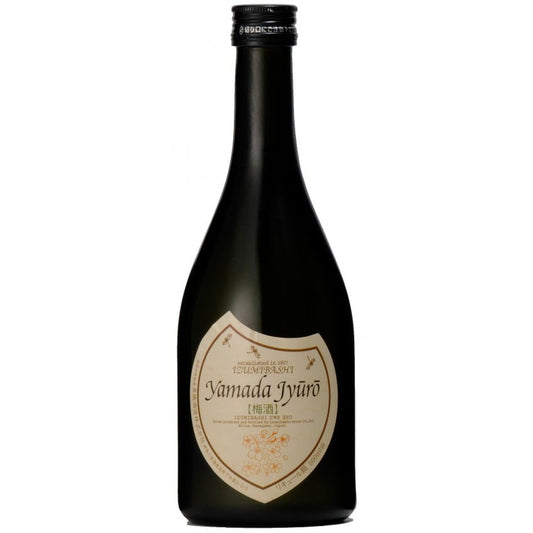
泉橋 山田十郎 純米梅酒 Izumibashi Yamada Juro Umeshu (1x50cl)
Regular price HK$160.00Regular priceHK$190.00Sale price HK$160.00Sale -
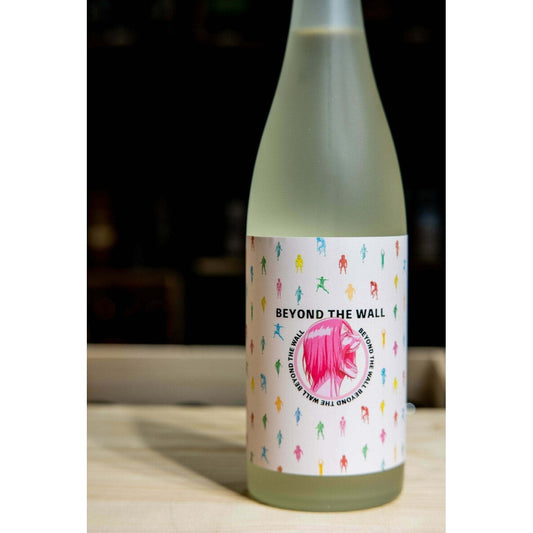
大那 進擊的巨人 無垢巨人 純米吟釀 Daina BEYOND THE WALL Pure Titan Edition (1x72cl)
Regular price HK$300.00Regular priceHK$500.00Sale price HK$300.00Sale -
Umenoyado Sanca Honjouzo 梅乃宿山香本釀造 (1x72cl)
Regular price HK$170.00Regular priceHK$200.00Sale price HK$170.00Sale -
Sasanokawa Junmai Ginjo Kasutori Shochu 笹之川 純米吟釀 粕取 燒酎 (1x72cl)
Regular price HK$250.00Regular price -
SAC_2045 Sake Kasu Shochu (Motoko version) SAC_2045 (1x72cl)
Regular price HK$488.00Regular priceHK$500.00Sale price HK$488.00Sale -
Mitsutake Brewery Imoshochu Omaeha Moushindeiru 光武酒造北斗の拳 本格芋焼酎 (1x90cl)
Regular price HK$300.00Regular price





Questions about this category
What is the difference between junmai, ginjo and daiginjo?
Junmai means the sake is made from rice, water, koji and yeast with no added distilled alcohol, and it usually tastes fuller and more savoury. Ginjo and daiginjo describe how much the rice was polished, to 60 percent and 50 percent or less. More polishing generally gives a lighter, more aromatic sake. Junmai daiginjo means both conditions apply.
Should sake be served warm or chilled?
It depends on the style. Aromatic ginjo and daiginjo are at their most expressive chilled, around 10 to 15 degrees Celsius, because warmth blows off the delicate aroma. Junmai and honjozo often gain body and roundness gently warmed to about 40 degrees. Warming is done in a hot water bath, not a microwave. If unsure, try a cup cold first, then warm the rest.
How long does sake keep once opened?
Keep an opened bottle in the fridge, sealed, and drink it within about a week. Delicate daiginjo fades fastest, sometimes within a few days, while sturdier junmai can hold a little longer. Unopened bottles should also be stored cold and dark; sake is not made to be aged like wine, so drink it reasonably close to the bottling date.
What do nigori, nama and futsushu mean?
Nigori is coarsely filtered, so it looks cloudy and tastes creamier and often sweeter. Nama is unpasteurised, fresher and livelier, and it must stay refrigerated throughout. Futsushu is table sake outside the special designations, which makes up much of what is drunk daily in Japan. All three are styles, not quality grades.
What food goes with sake besides Japanese cuisine?
Sake has no tannin and low acidity, so it sits comfortably with dishes that fight wine. Steamed fish, prawns, scallops, tofu, salt-baked chicken and dim sum all work. A gently warmed junmai suits braised dishes and hotpot on a cold evening. Chilled daiginjo is a good aperitif in place of white wine. Browse white wine.
What does the sake meter value on the label tell me?
The sake meter value, or nihonshudo, is a rough sweetness scale. Negative numbers lean sweet and positive numbers lean dry, with zero near the middle. It measures density rather than taste, so acidity and aroma change how sweet a bottle actually feels. Use it as a hint alongside the style, not as a final answer.


