
-
Suntory The Chita Single Grain Whisky (1x70cl)
Regular price HK$540.00Regular priceHK$710.00Sale price HK$540.00Sale -
The Kurayoshi Matsui Whisky Umeshu (1x70cl)
Regular price HK$188.00Regular priceHK$260.00Sale price HK$188.00Sale -
Nikka days Blended Whisky (1x70cl)
Regular price HK$458.00Regular priceHK$680.00Sale price HK$458.00Sale -
Hibiki 21 years old (1x70cl)
Regular price HK$7,810.00Regular priceHK$9,790.00Sale price HK$7,810.00Sale -
NIKKA From The Barrel Whisky (1x50cl)
Regular price HK$620.00Regular price -
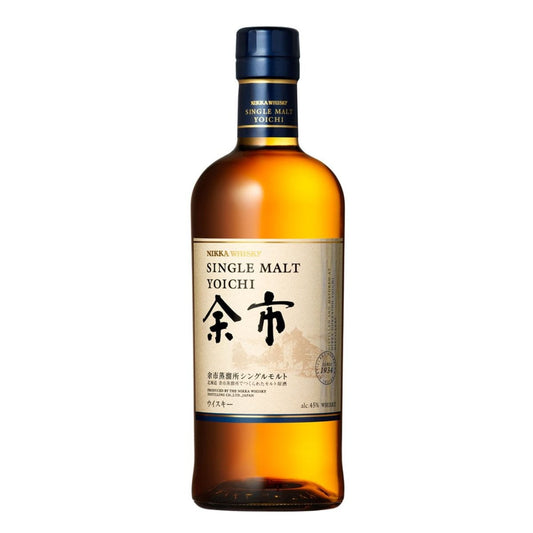
Yoichi Single Malt Whisky NV (1x70cl)
Regular price HK$760.00Regular priceHK$880.00Sale price HK$760.00Sale -
Suntory Umeshu Plum Liqueur matured in the toasted cask in Yamazaki Whisky Blend 山崎蒸餾所儲藏焙煎樽熟成梅酒 (1x75cl)
Regular price HK$460.00Regular price -
Ichiro's Malt & Grain Whisky White Label 秩父 白葉 威士忌 (1x70cl)
Regular price HK$598.00Regular priceHK$840.00Sale price HK$598.00Sale -
Hibiki NAS Japanese Harmony Suntory Whisky (1x70cl)
Regular price HK$1,180.00Regular priceHK$1,448.00Sale price HK$1,180.00Sale -
Yamazaki 2017 Limited Edition (1x70cl)
Regular price HK$9,710.00Regular price -
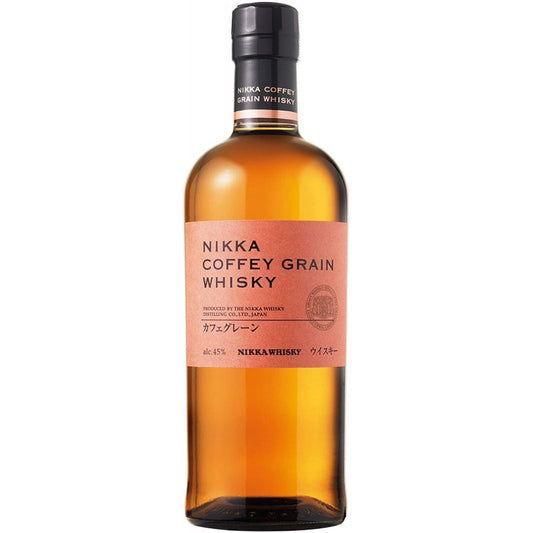
Nikka Coffey Grain Whisky (1x70cl)
Regular price HK$558.00Regular priceHK$838.00Sale price HK$558.00Sale -
Yamazakura Fine Blended Whisky (1x70cl)
Regular price HK$480.00Regular priceHK$490.00Sale price HK$480.00Sale -
Yamazaki NAS Single Malt Japanese Whisky (1x70cl)
Regular price HK$1,050.00Regular price -
Yamazaki 12 years old (1x70cl)
Regular price HK$2,160.00Regular priceHK$2,360.00Sale price HK$2,160.00Sale -
Yamazaki 2014 Limited Edition (1x70cl)
Regular price HK$16,640.00Regular price -
Yamazaki 2015 Limited Edition (1x70cl)
Regular price HK$8,890.00Regular priceHK$12,800.00Sale price HK$8,890.00Sale






Questions about this category
What is the difference between an age statement and a no-age-statement Japanese whisky?
An age statement names the youngest whisky in the bottle, so a 12 year old contains nothing younger than twelve years. A no-age-statement release lets the blender use younger and older casks together without printing a number. Demand outran mature stock in Japan, so many houses moved to no-age bottlings. Older is not automatically better; it is a different set of choices.
What actually counts as Japanese whisky?
Since 2021 the Japan Spirits and Liqueurs Makers Association has a voluntary standard: fermentation, distillation, ageing of at least three years and bottling must all happen in Japan, using malted grain and Japanese water. It is an industry label rather than law, so check the producer. Bottles that only say "product of Japan" may include imported spirit.
What is a mizuwari and how do I make one?
Mizuwari is the Japanese way of drinking whisky long with cold water. Fill a tall glass with ice, pour one part whisky, stir to chill, then add two to two and a half parts cold still water and stir gently again. It suits a meal and suits Hong Kong's heat. A highball swaps the water for soda and adds a lemon twist.
Why are some Japanese whiskies so hard to find?
Distilling capacity was cut back during a long domestic slump in the 1990s and 2000s. When international demand rose sharply after 2010, the mature stock simply was not there, and casks take years to replace. Several famous aged expressions were withdrawn as a result. New distilleries have opened since, but their stock needs time.
How does Japanese whisky compare with Scotch?
The methods are close, since the first Japanese distillers trained in Scotland. Japanese houses tend to build many styles in-house rather than trade casks between companies, and mizunara oak can add a sandalwood and incense note not usually found in Scotch. Peated Japanese whisky exists but is less common. Browse Scotch whisky.


