
-
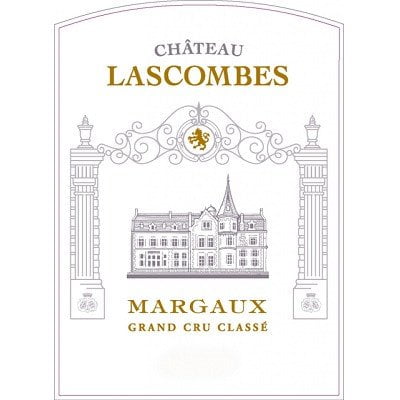
Chateau Lascombes 2015 (1x75cl)
通常価格 HK$459.00通常価格HK$680.00セール価格 HK$459.00セール -
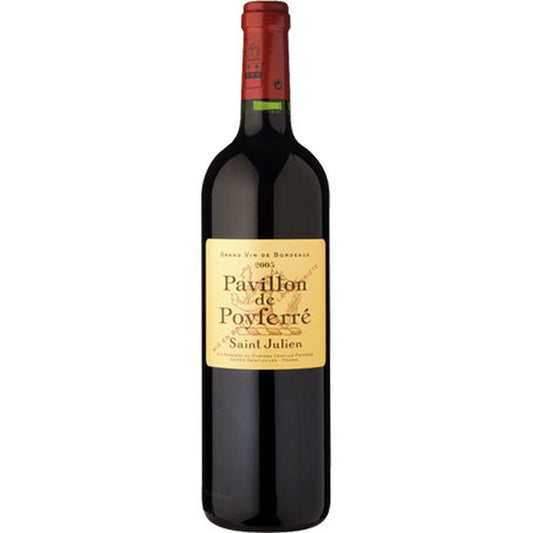
Pavillon de Leoville Poyferre 2007 (1x75cl)
通常価格 HK$219.00通常価格HK$298.00セール価格 HK$219.00セール -
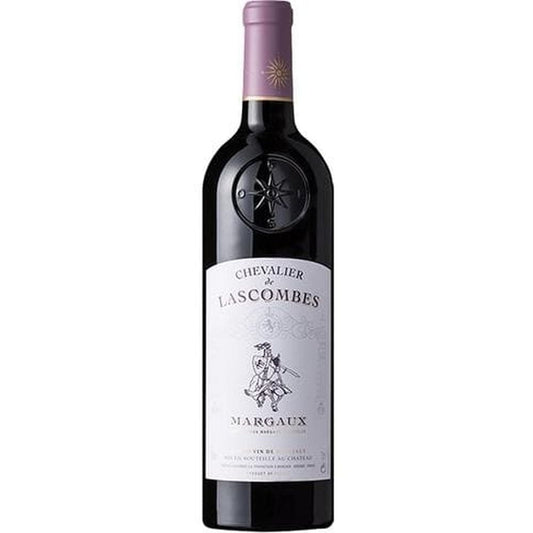
Chevalier de Lascombes 2016 (1x75cl)
通常価格 HK$229.00通常価格HK$298.00セール価格 HK$229.00セール -
Chateau Prieure Lichine 2014, Margaux (1x75cl)
通常価格 HK$279.00通常価格HK$398.00セール価格 HK$279.00セール -
Chevalier de Lascombes 2019 (1x75cl)
通常価格 HK$199.00通常価格HK$398.00セール価格 HK$199.00セール -
Chateau la Tour Carnet 2018 (1x75cl)
通常価格 HK$199.00通常価格HK$360.00セール価格 HK$199.00セール -
Chateau Lascombes 2014 (1x75cl)
通常価格 HK$398.00通常価格HK$498.00セール価格 HK$398.00セール -
Chevalier de Lascombes 2017 (1x75cl)
通常価格 HK$199.00通常価格HK$298.00セール価格 HK$199.00セール -
Chateau Gloria 2013 (1x75cl)
通常価格 HK$258.00通常価格HK$328.00セール価格 HK$258.00セール -
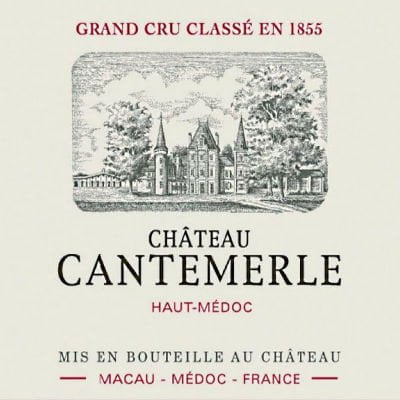
Chateau Cantemerle 2015 (1x75cl)
通常価格 HK$240.00通常価格HK$340.00セール価格 HK$240.00売り切れ -
Chateau Lagrange 2014, St. Julien (1x75cl)
通常価格 HK$419.00通常価格HK$458.00セール価格 HK$419.00セール -
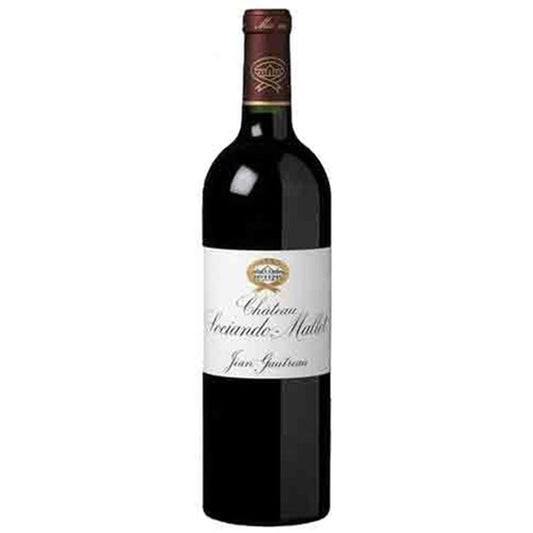
Chateau Sociando Mallet 2014 (1x75cl)
通常価格 HK$218.00通常価格HK$340.00セール価格 HK$218.00セール -
Connetable de Talbot 2018 (1x75cl)
通常価格 HK$209.00通常価格HK$298.00セール価格 HK$209.00売り切れ -
Senejac 2013 (1x75cl)
通常価格 HK$97.00通常価格 -
Sarget De Gruaud Larose 2017 (1x75cl)
通常価格 HK$189.00通常価格HK$328.00セール価格 HK$189.00セール -
Chateau Lascombes 2016 (1x75cl)
通常価格 HK$459.00通常価格HK$680.00セール価格 HK$459.00セール








よくあるご質問
Which grapes go into red Bordeaux?
Red Bordeaux is nearly always a blend. Cabernet Sauvignon brings structure, dark fruit and firm tannin. Merlot brings flesh and softness. Cabernet Franc adds aromatic lift, and small amounts of Petit Verdot and Malbec add colour and spice. The proportions change with the vintage and the site, which is why two neighbouring estates can taste quite different.
How long should I decant a red Bordeaux?
A young structured bottle usually opens up after 60 to 90 minutes in a decanter. A wine over fifteen years old needs far less, sometimes only 20 to 30 minutes, and it should be stood upright for a day first so the sediment settles. If in doubt, decant off the sediment, pour a glass, and taste again every twenty minutes.
What temperature should I serve red Bordeaux at in Hong Kong?
Aim for 16 to 18 degrees Celsius. A Hong Kong living room in summer sits well above that, so twenty minutes in the fridge before serving usually gets a bottle right. Wine served too warm tastes flat and alcoholic; served too cold the tannin turns hard. Pour a little, hold the glass, and let it come up in your hand.
What food goes with red Bordeaux at a Hong Kong table?
Cabernet-led Left Bank wines suit steak, roast lamb and hard cheese. Merlot-led Right Bank wines are friendlier with char siu, roast goose, braised beef brisket and mushroom dishes. Avoid very spicy Sichuan food, which fights the tannin. A softer, older bottle handles a mixed Cantonese table better than a young, tannic one.
Should I buy an older vintage or a recent one?
An older vintage saves you the wait: the tannin has softened and the wine is ready tonight. A recent vintage costs less to buy in and lets you follow the wine as it changes, if you have somewhere cool to keep it. Buyers without storage generally do better choosing a bottle that is already drinking. Browse 2010 to 2015 vintages.


