
-
MAISON LOUIS JADOT Chablis Cellier du Valvan 2023 (1x75cl)
通常価格 HK$341.00通常価格 -
-
Quinta da Romeira Morgado de Santa Catherina White Bucelas 2011 (1x75cl)
通常価格 HK$114.00通常価格HK$126.00セール価格 HK$114.00セール -
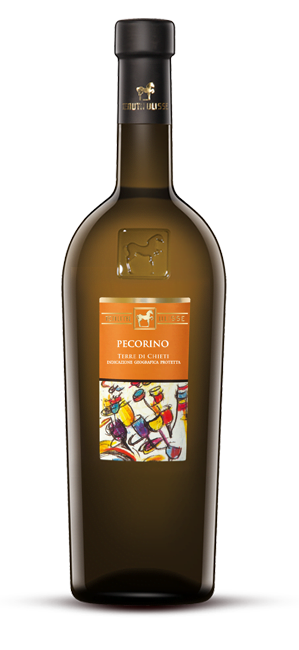
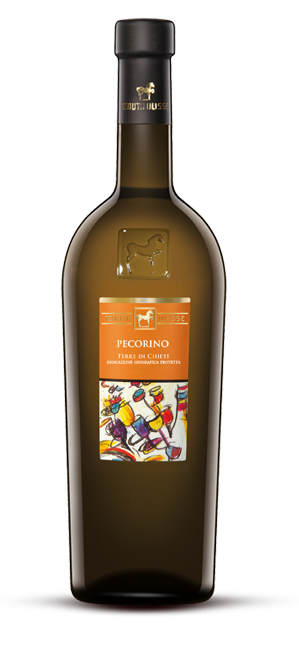
Tenuta Ulisse Pecorino Terre Di Chieti IGP 2024 (1x75cl)
通常価格 HK$188.00通常価格HK$260.00セール価格 HK$188.00売り切れ -
Chateau Broustet, Sauternes 2014 (1x75cl)
通常価格 HK$188.00通常価格HK$198.00セール価格 HK$188.00セール -
BRUNO COLIN, Bourgogne Chardonnay 2021 (1x75cl)
通常価格 HK$396.00通常価格 -
TE MATA Cape Crest Sauvignon Blanc 2022 (1x75cl)
通常価格 HK$228.00通常価格HK$290.00セール価格 HK$228.00セール -
Tyrrell's Hunter Valley Chardonnay 2022 (1x75cl)
通常価格 HK$162.00通常価格 -
Olivier Leflaive Les Deux Rives Chablis 2022 (1x75cl)
通常価格 HK$368.00通常価格 -
Bouchard Pere & Fils Meursault Les Clous Domaine 2022 (1x75cl)
通常価格 HK$628.00通常価格 -
Castellari Bergaglio "Fornaci" Gavi di Tassarolo D.O.C.G. 2023 (1x75cl)
通常価格 HK$149.00通常価格 -
Chateau Fuisse Pouilly Fuisse "Tete de Cuvee" 2022 (1x75cl)
通常価格 HK$435.00通常価格 -
Chateau Olivier Blanc, Pessac-Leognan 2015 (1x75cl)
通常価格 HK$279.00通常価格HK$319.00セール価格 HK$279.00セール -
Paul Jaboulet Viognier 2022 (1x75cl)
通常価格 HK$160.00通常価格 -
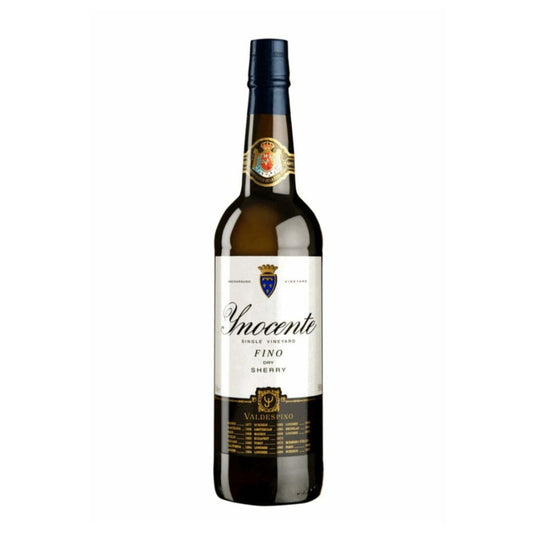
Valdespino "Inocente" Fino Dry Sherry (1x75cl)
通常価格 HK$168.00通常価格 -
Billaud Simon Chablis 2022 (1x75cl)
通常価格 HK$259.00通常価格





よくあるご質問
Which white wines suit Cantonese seafood?
Look for dry whites with clear acidity and no heavy oak. Chablis, Muscadet, Sancerre, dry Riesling and Albarino all handle steamed fish, prawns, scallops and salt-and-pepper squid well. Ginger and spring onion need a wine with cut rather than weight. A rich oaked Chardonnay tends to sit on top of delicate steamed dishes. Browse white Burgundy.
How cold should white wine be?
Around 8 to 12 degrees Celsius covers most whites. Light, crisp styles go at the cooler end; richer, oaked whites show more at the warmer end. Straight from a Hong Kong fridge is usually a few degrees too cold, so give the bottle ten minutes on the table. Over-chilling mutes aroma and hides both fruit and flaws.
Is Chardonnay always oaky?
No. Chardonnay takes on whatever the winemaker chooses. Chablis is normally made in steel with no oak and tastes lean and mineral. Warmer regions and barrel fermentation give the fuller, buttery style many people picture. If you dislike oak, ask for unoaked Chardonnay or Chablis instead of avoiding the grape altogether.
Do white wines age, or should I drink them young?
Most whites are made for the first two or three years, when the fruit is at its brightest. Some styles do age: white Burgundy, dry Riesling, Hunter Valley Semillon and Loire Chenin can develop for a decade or more, turning nutty, honeyed and toasty. Ageing needs cool, steady storage, which matters more in Hong Kong than in Europe.
What is the difference between Sauvignon Blanc from the Loire and from New Zealand?
Loire versions such as Sancerre and Pouilly-Fume tend to be restrained, with grapefruit, herbs and a chalky, mineral finish. Marlborough in New Zealand gives a louder style with passionfruit, gooseberry and cut grass. Both are dry and high in acidity, so it comes down to whether you want the aroma turned up or held back.


